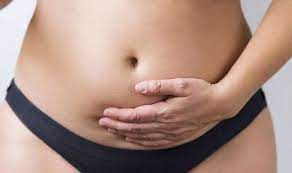
You wake up, look in the mirror, and your first thought is: “Who gave my belly permission to do… this?”
Pants feel tighter, your lower stomach feels puffier, and by mid-afternoon you’re wondering if everyone can see it or if it’s just you. Let’s gently clear something up: your body is allowed to change shape during your cycle.
Why Bloating Hits So Hard Before Your Period
Several luteal-phase changes team up to make you feel puffier:
- Progesterone affects digestion, slowing things down and causing gas or constipation.
- Fluid retention increases, especially in your belly, hands, and feet.
- Cravings and changes in appetite can lead to more salt or carb intake, which holds more water.
The result? A belly that feels rounder, tighter, and more sensitive than usual. Completely normal. Extremely common.
Bloating vs. “Real” Weight Gain
Here’s the thing most of us were never told:
- Bloating: Comes and goes. Clothes feel tight one day and fine a few days later. You may feel gassy, puffy, or full.
- Fat gain: Develops gradually over longer periods, not in a sudden 48-hour belly expansion.
Most of what you’re seeing right now is water, digestion shifts, and hormones, not “failure” or permanent weight gain.
How to Support Your Belly With Kindness (Not War)
- Loosen the waistband: Wear softer, stretchy clothes. Comfort is allowed.
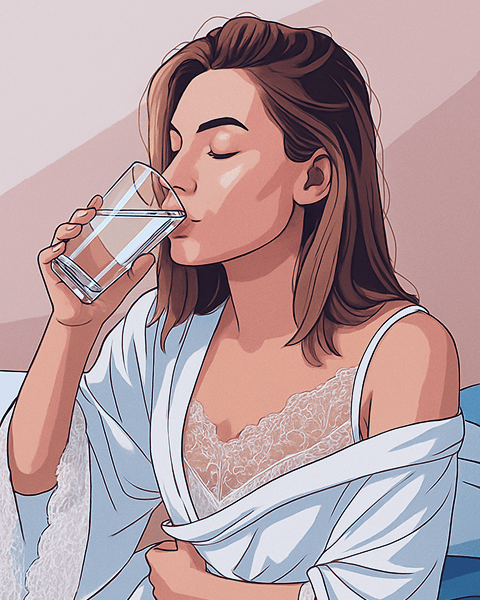
- Hydrate: Ironically, drinking water helps reduce water retention over time.
- Gentle movement: Walking or light stretching can stimulate digestion.
- Warmth: A hot water bottle or warm bath can soothe cramping and discomfort.
- Mind your self-talk: Replace “I look horrible” with “My body is processing a lot today.”
Body Image, Cameras, and Clothes During Bloat Days
On heavy-bloat days, you might:
- Avoid mirrors or photos
- Cancel plans because you “don’t feel like yourself”
- Try on six outfits before leaving the house
It’s okay to dress for comfort, avoid tight waistbands, or say no to events if you truly need rest. Just remember: your worth is not measured in how flat your stomach looks on any given day.
When to Talk to a Doctor About Bloating
Check in with a healthcare provider if:
- Bloating is severe or painful
- It comes with nausea, vomiting, or intense cramps
- It doesn’t improve after your period starts
- You have sudden, unexplained changes in your body
It’s always okay to ask, “Is this normal for my body?” You deserve answers and reassurance.