Discharge & Symptoms: What’s Normal?
🩸 From Period to “Clean & Light”
After your period ends, your body doesn’t switch off bleeding and immediately jump into ovulation. It passes through a transition zone. During this time, it’s normal to see:
- A day or two of very light brownish spotting (old blood leaving).
- A short “dry” feeling – little to no discharge.
- Then a slow return of discharge as hormones shift.
💧 Cervical Mucus in the Follicular Phase
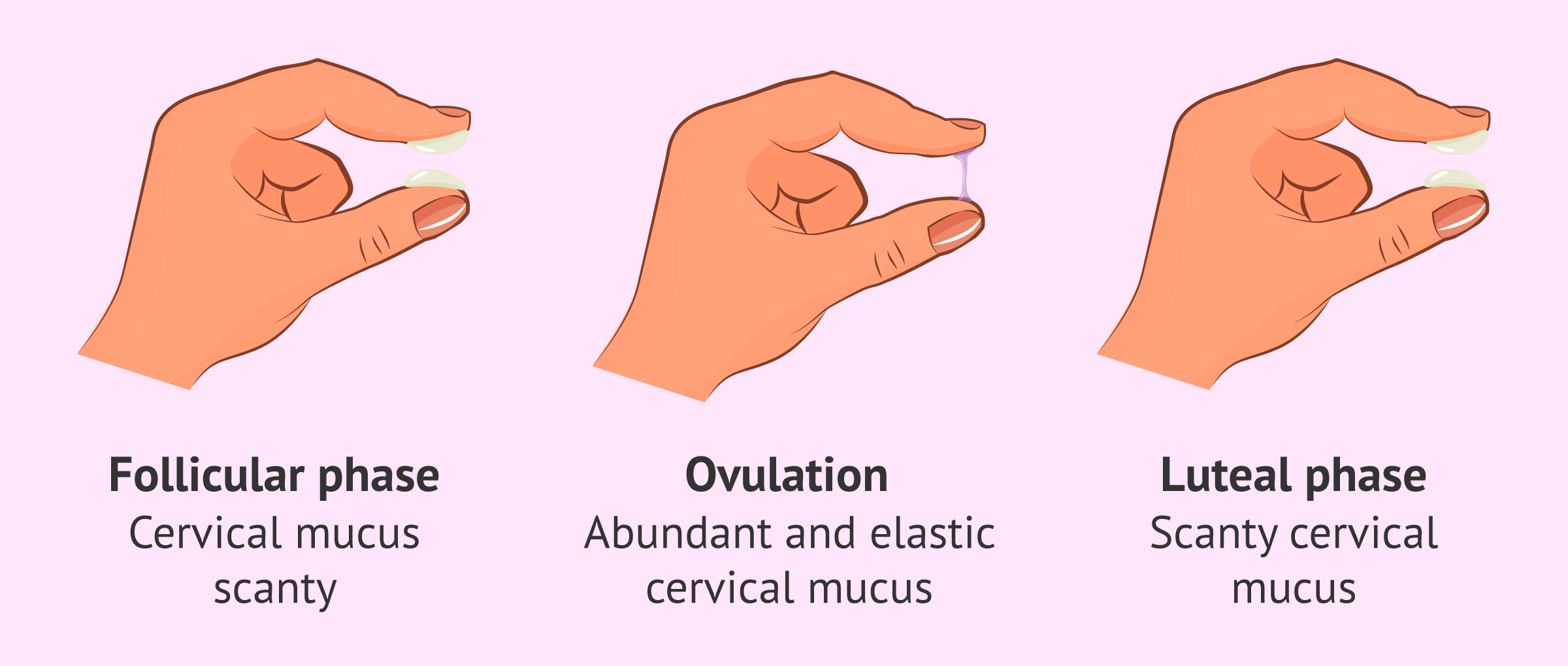
Discharge in this phase is shaped by rising estrogen. Many people will notice a progression like:
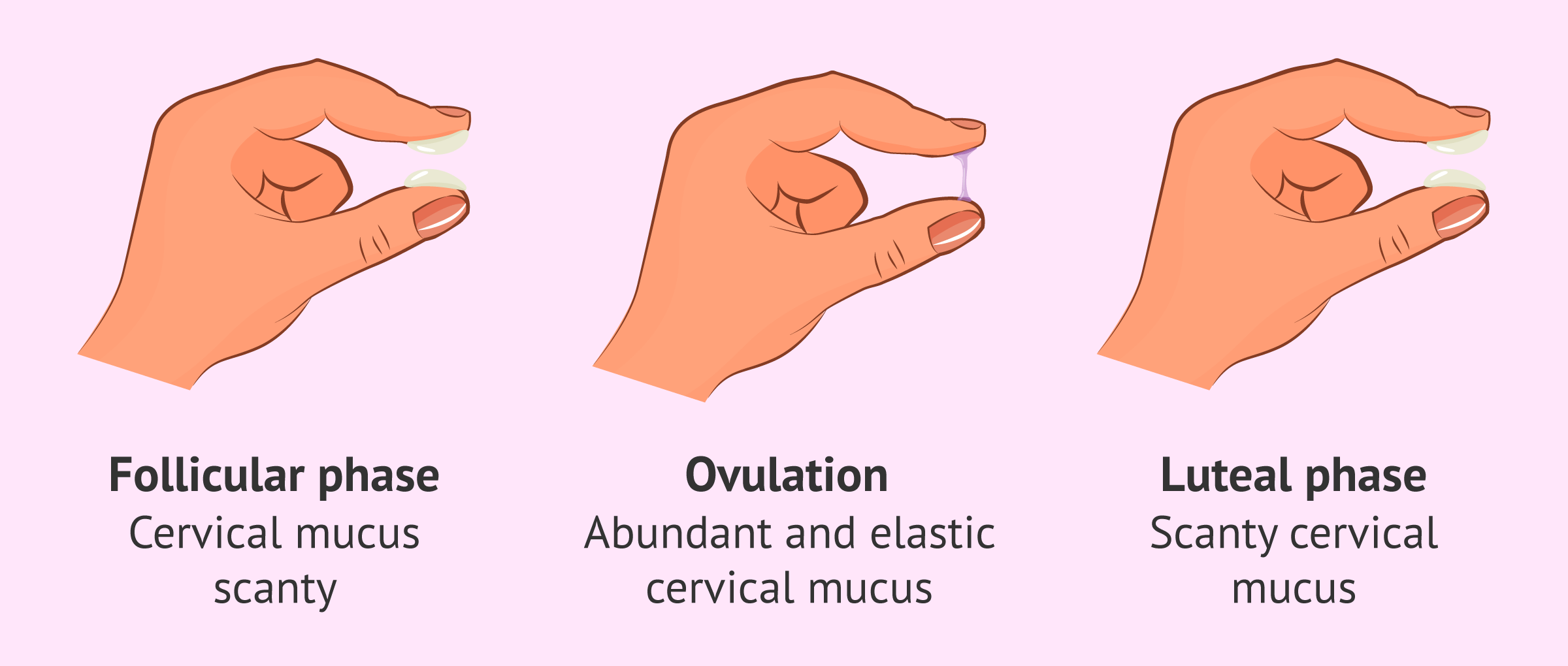
- Dry or very little: Right after bleeding stops, underwear may feel drier.
- Thick / creamy / lotion-like: As estrogen rises, discharge often becomes white or off-white and creamy.
- Sticky or tacky: Some people describe it as “gluey” or “pasty” before it becomes more fertile later.
Around the approach to ovulation (which comes after the follicular phase), discharge may turn more slippery, stretchy and clear – like raw egg white. That’s a sign of high fertility and usually sits at the border between late follicular and ovulatory phases.
✅ What’s Usually Normal in This Phase
- Colour: clear, milky white, or off-white.
- Smell: mild or almost unnoticeable.
- Texture: creamy, sticky or slightly stretchy.
- Sensation: sometimes more “moist” underwear but not painful or itchy.
🚩 When Discharge Needs Attention
Track your normal pattern in Daisycle, then watch for changes that feel wrong for you:
- Strong fishy, rotten or very unusual smell.
- Greenish, grey, or very yellow discharge.
- Curdy “cottage cheese” texture plus itching/burning (possible yeast infection).
- Bleeding or spotting that keeps returning with pain.
- Painful sex, pelvic pain or burning when peeing.
These can be signs of an infection or other condition and are a good reason to see a nurse, clinical officer or gynaecologist.
🩺 Other Common Follicular-Phase Symptoms
- Energy: gradually improving after your period.
- Skin: some people notice less breakouts as estrogen rises.
- Breasts: mild tenderness for some, especially closer to ovulation.
- Pelvis: occasional mild twinges as follicles grow – strong pain is not normal.
🧼 Hygiene Tips (Without Over-Washing)
- Wash the vulva (outside) with warm water; avoid harsh soaps inside the vagina.
- Use breathable cotton underwear; change after gym or long hot days in matatus.
- Avoid frequent douching or “yoni herbs” that disturb normal vaginal bacteria.
- If you use panty liners, change them often and skip scented products.
💬 Reminder
Discharge is not “dirt” – it’s a sign that your body is alive, cycling and protecting you. This phase is a perfect time to learn your own normal so you can quickly notice when something changes.
Related Articles

How rest improves long-term output
Managing body image issues

Eating for skin and hair health
How cycle tracking helps your health
Hydration tips for nausea
Baby development at 32 weeks
Feeling Irritated at Everything? Blame the Progesterone Dip
Baby development at 35 weeks